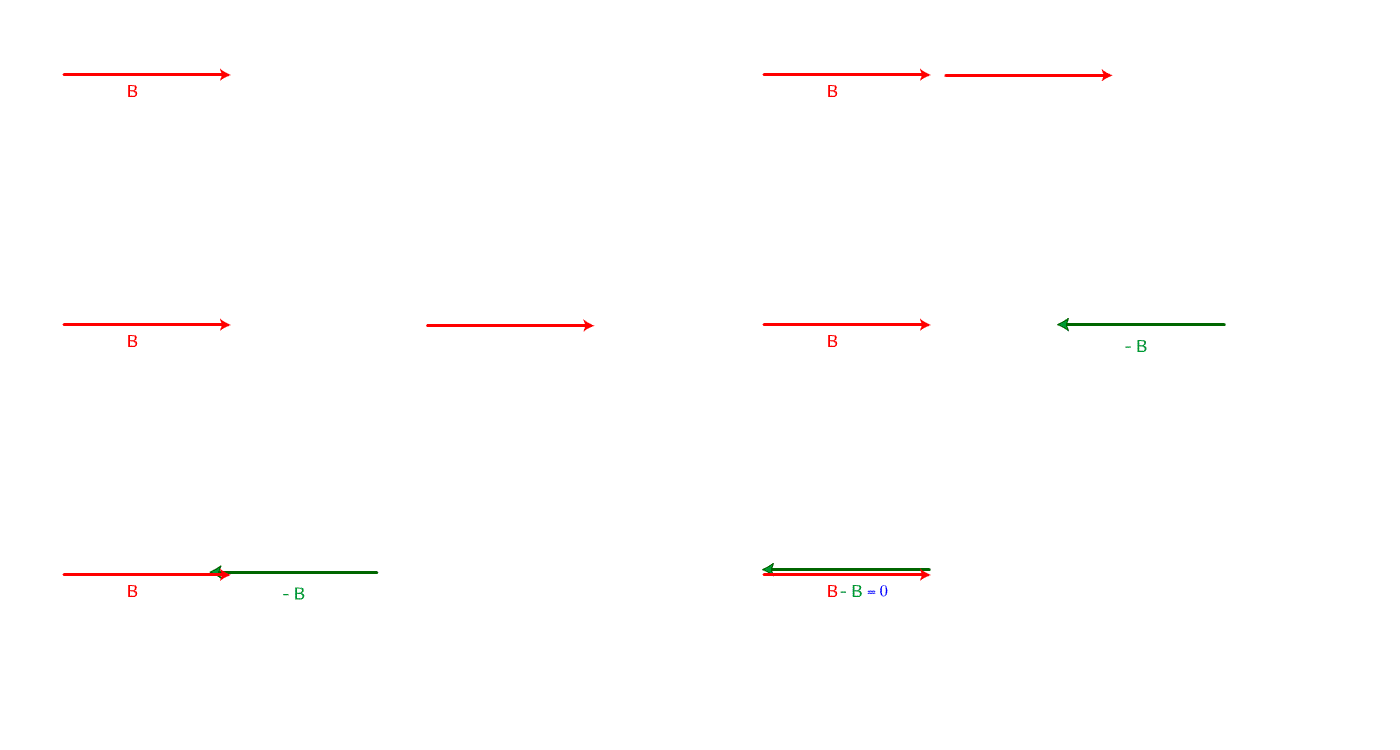
SUBTRACTING VECTORS
To subtract vectors we look at the following.
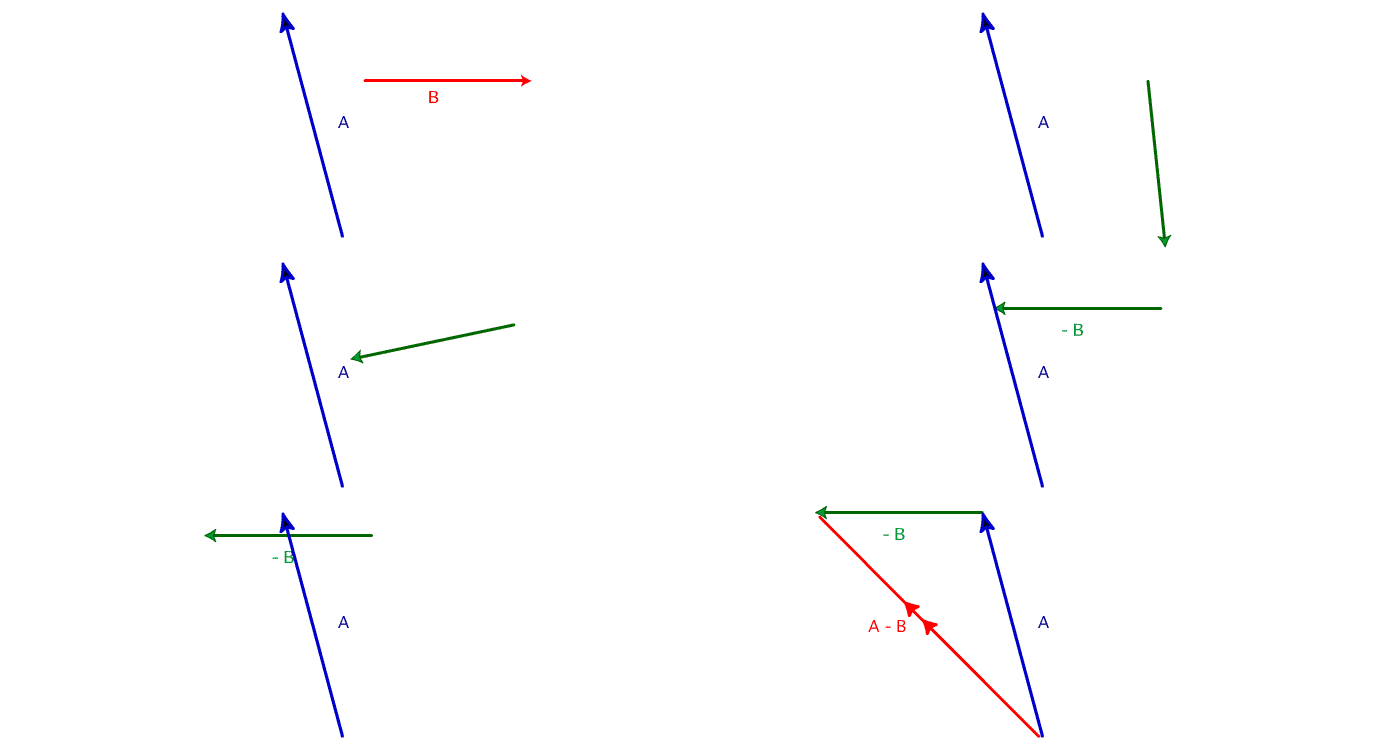
A - B = A + (-B) where A and B are vectors.
The meaning of "-B" is crucial.
If I take the number "5", then "-5" will cancel out "5".
5 + (-5) = 0
Similarly
B + (-B) = 0 , but this contains direction, not just size.
To cancel the arrow B, I must add an oppositely directioned arrow of same size. This is -B.
SUBTRACTING vectors means reversing the second vector's direction, then adding this negative to the first vector.
CHANGE Δ, is a common subtraction process using vectors.
acceleration = Change in velocity / time = Δv / t
Force = Change in Momentum / time = Δmv / t
The way this comes about is that an
original ( initial ) situation + change Δ = the final situation
so Change Δ = Final - Initial
Case 1. A car slows from 40 km/h to 16 km/h in the same direction.
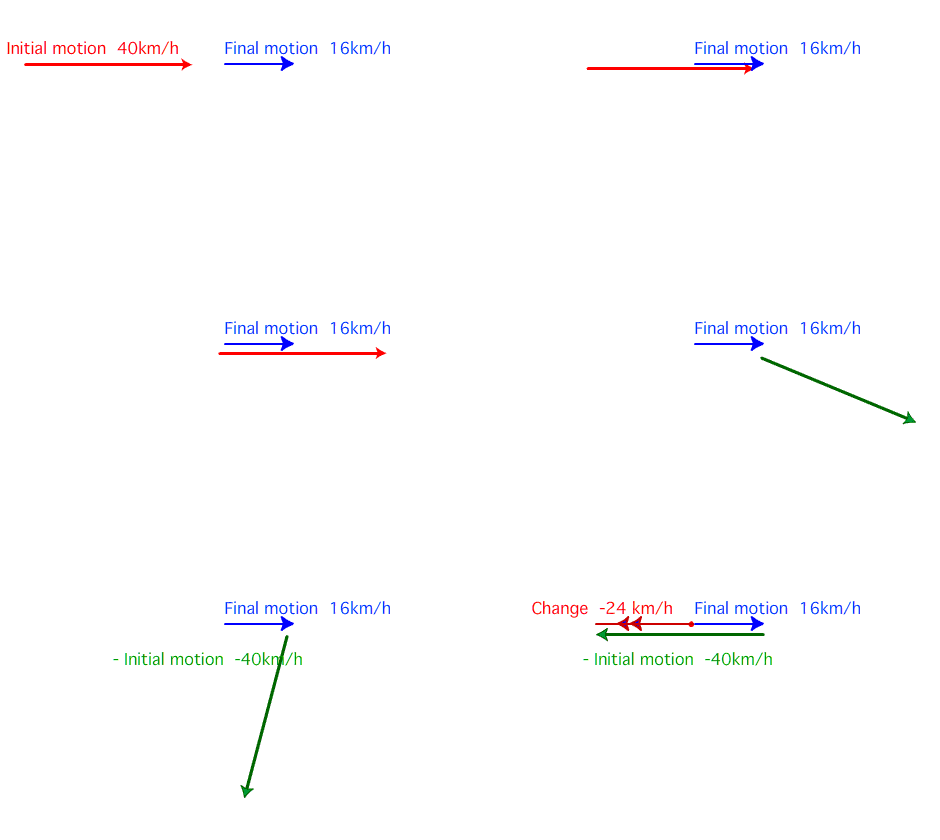
Change in velocity is -24 km/h ie 24 km/h in opposite direction to original
Case 2. A car driving at 40 km/h changes to 16 km/h in reverse
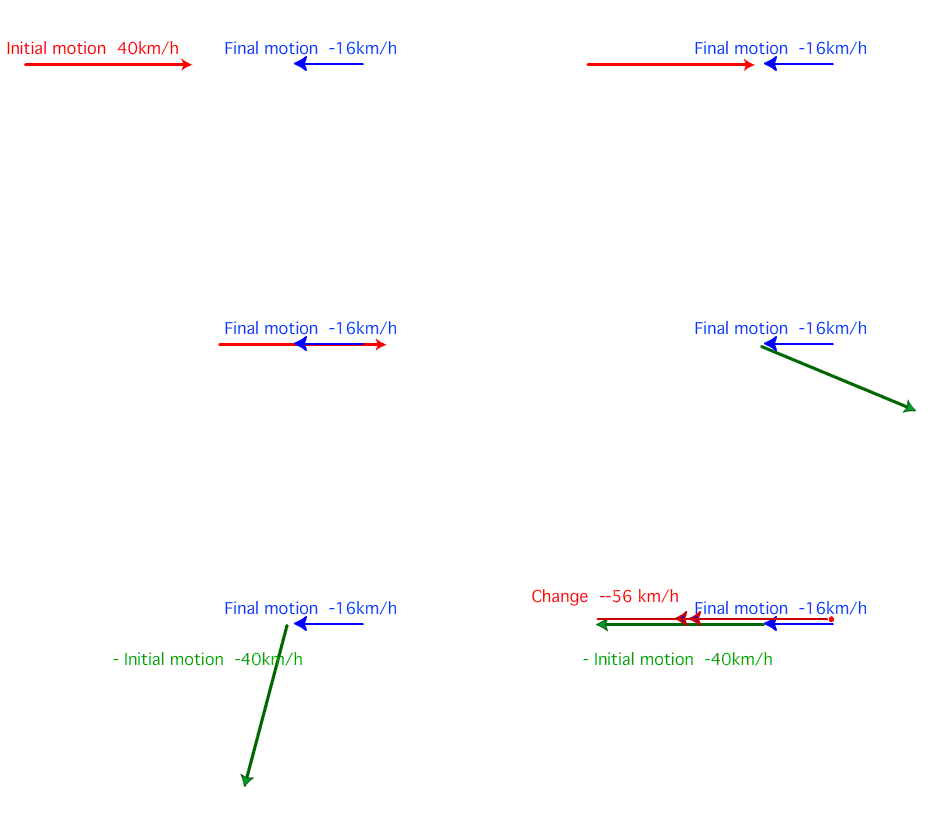
Case 3. The same car at 40 km/h turns through 300 but remains at 40km/h.
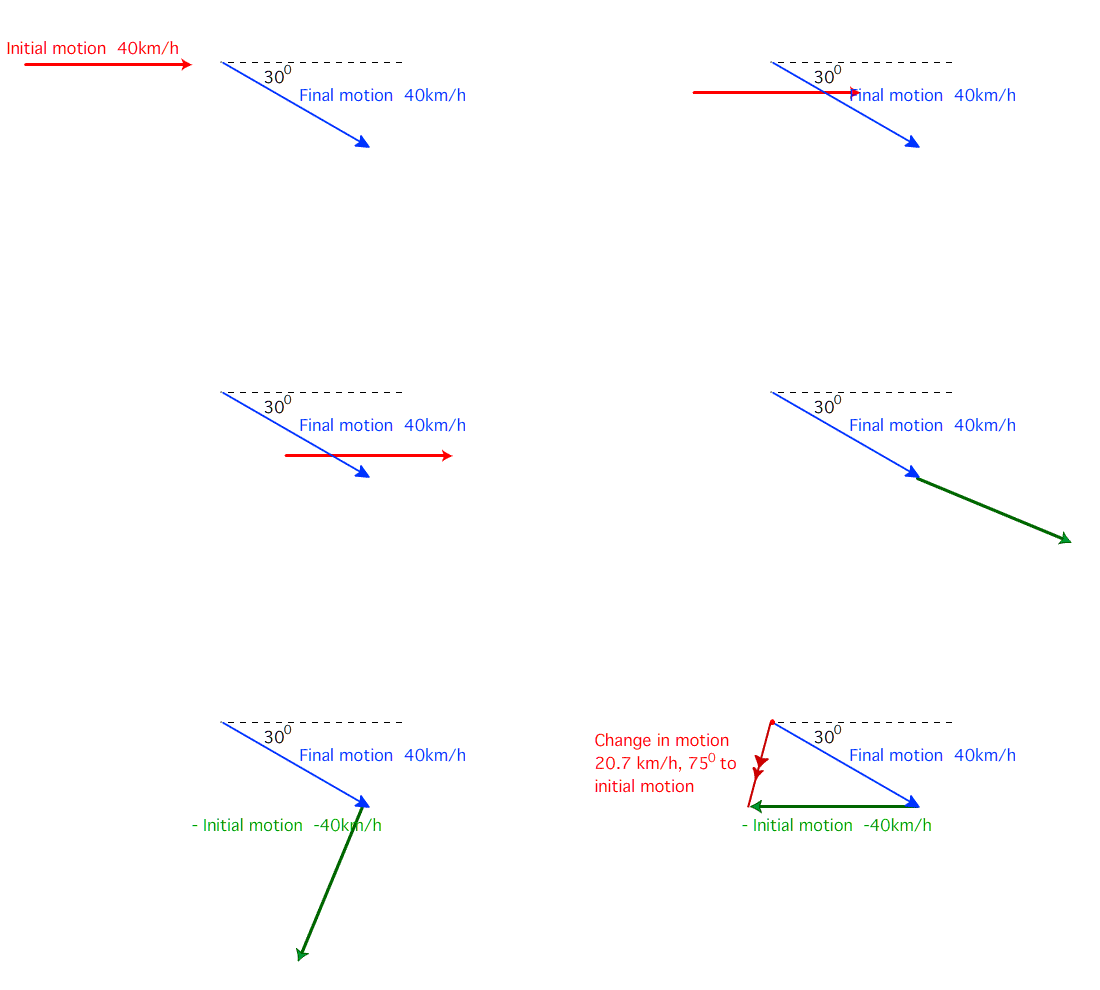
Here the change is more complex and we must use scale diagrams or cos rule and sin rules. The change is 20.7 km/h at 750 to the original direction.